Is The Ordinary clean? Ingredient check of 62 products
Updated · Based on 4158 screened products
Short answer: we checked 62 of The Ordinary's products, the current US range on theordinary.com on 18 October 2026, taken from each product's official ingredient list. 61 of 62 pass our clean check (none of our watchlist ingredients listed). 1 is flagged; the flags are due to titanium dioxide (1 product). This is a factual check of ingredient lists against our definition of clean. It is not a verdict on the brand and says nothing about how well any product works.
What "clean" means here
On CleanGlow, a product is clean if its listed ingredients contain none of our 10 watchlist groups, based on the IARC Monographs – List of Classifications and on bans and restrictions under the EU Cosmetics Regulation (EC) 1223/2009. A product is flagged if at least one listed ingredient matches a watchlist group. The rules are the same for every brand (see the methodology). We do not judge fragrance, essential oils, performance or any marketing claim the brand makes.
Why The Ordinary products get flagged
Titanium dioxide (1 The Ordinary product)
IARC classifies titanium dioxide as Group 2B ("possibly carcinogenic to humans"), based on evidence from inhaling the powder. We flag every product that lists it, including where it is only a pigment, an opacifier or a "may contain" shade pigment, and including mineral sunscreens that use it as a UV filter. A flag means the ingredient is on the list. It is not a measured risk for that product. Source: IARC Monographs Vol. 93. See Titanium dioxide for every product we flag for it.
Every The Ordinary product we checked
Ingredient lists come from theordinary.com (US) (fetched 18 October 2026) unless the source column says otherwise. Formulas change and can differ by country, so always check the pack.
Comparing with Paula's Choice? See Paula's Choice vs The Ordinary, compared on our ingredient data.
Not included
- Sets and collections (they combine products already listed), the gift card, the book, the water bottle, reusable rounds and the pouch.
- Products shown as "currently not available" on theordinary.com (US) on 18 October 2026: Sulphate 4% Cleanser for Body and Hair, Granactive Retinoid 5% in Squalane, Hyaluronic Acid 2% + B5 (Original Formulation), Retinol 0.2% in Squalane, Salicylic Acid 0.5% Body Serum, Niacinamide 5% Face and Body Emulsion and Rice Lipids + Ectoin Microemulsion.
- NIOD and other DECIEM brands.
Clean alternatives by product type
For each product category where a The Ordinary product is flagged, these are clean products from other brands in the same category of our database, ordered by our data score (methodology). We match on product category only. They are not presented as equivalents: we have not tested them and make no claim that they look, feel or work like the The Ordinary product.
Affiliate disclosure: buy buttons and "View on Amazon" cards on this page may be affiliate links (rel="sponsored"). If you buy through them we may earn a commission at no extra cost to you. Commissions never affect which products pass our ingredient screen or their order. As an Amazon Associate, CleanGlow earns from qualifying purchases. Learn more.
Clean foundations from other brands
Same product category as Serum Foundation.
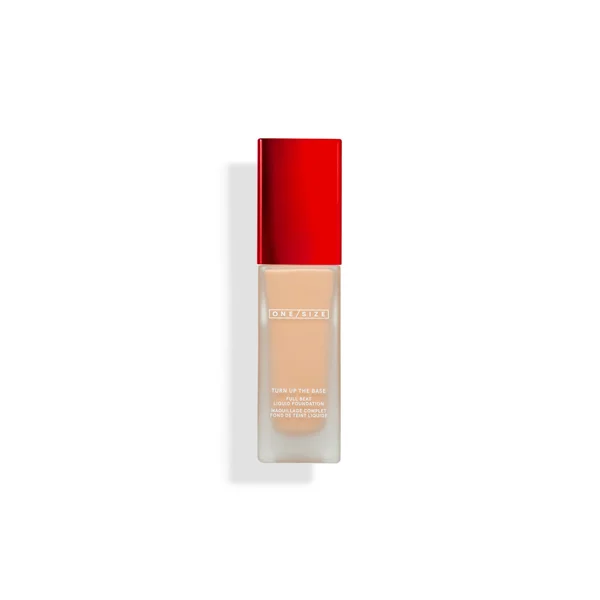 ONE/SIZETURN UP THE BASE Full Beat Liquid FoundationFoundations✓ No watchlist ingredients foundSee ingredients →
Full ingredient check: TURN UP THE BASE Full Beat Liquid Foundation →
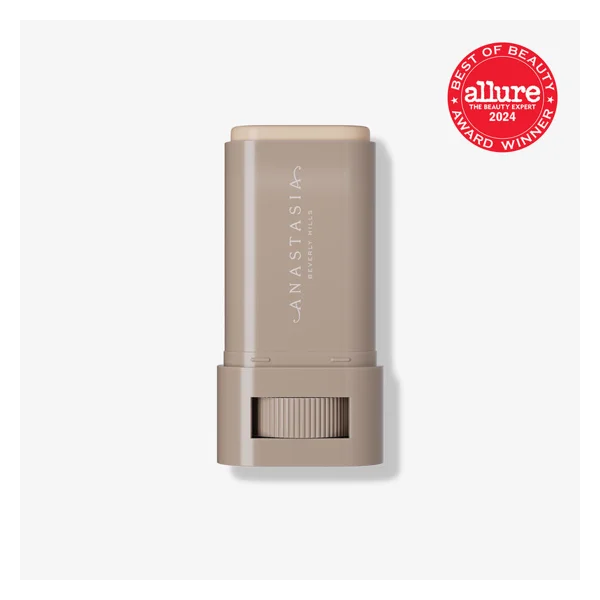 Anastasia Beverly HillsBeauty Balm Serum Boosted Skin TintFoundations✓ No watchlist ingredients foundSee ingredients →
Buy at Anastasia Beverly Hills Sephora Ulta
Full ingredient check: Beauty Balm Serum Boosted Skin Tint →
Related
- All The Ordinary products
- The Ordinary vs CeraVe
- Paula's Choice vs The Ordinary
- Best clean face serum
- Best talc-free foundation
- Methodology
Hazard is not risk. An IARC classification says whether a substance can cause cancer under some conditions (e.g. titanium dioxide is classified for inhaled powder), not that a cosmetic containing it is harmful at normal use. EU restrictions set use limits. This page is informational, not medical advice; talk to a dermatologist about your own skin.